Print Cat Design Review for Embroidery Projects
A First Look at Print Cat Design
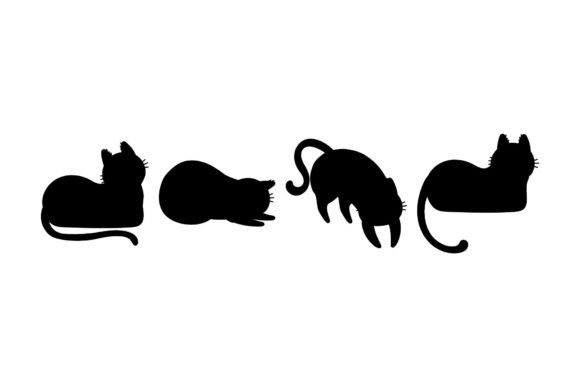
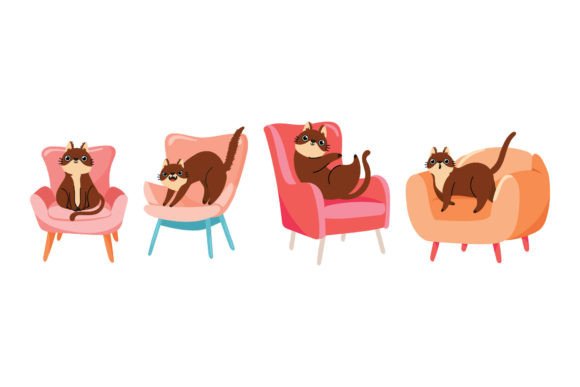
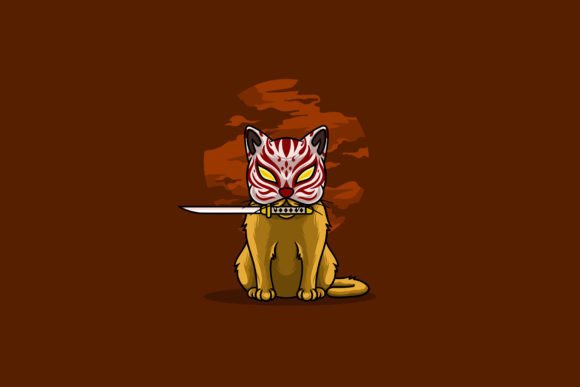
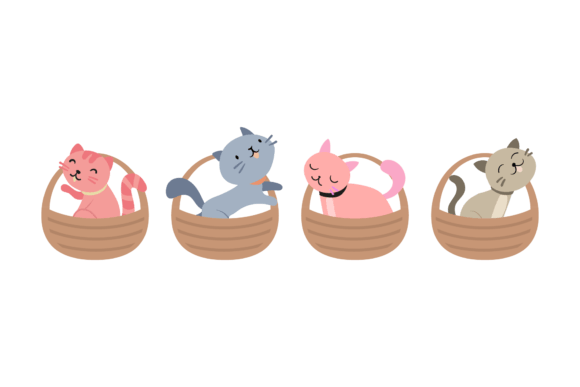
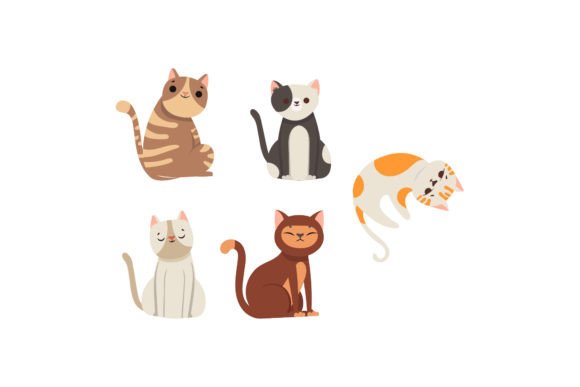
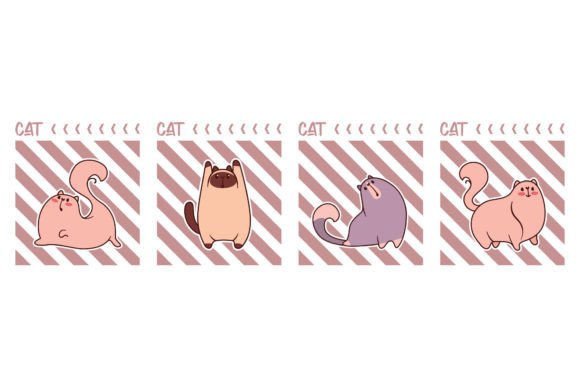
When I first opened the Print Cat Design, I was immediately drawn to its playful yet refined aesthetic. The illustration feels like a perfect blend of whimsy and elegance, making it ideal for a wide range of embroidery projects. The cat is rendered with soft curves and expressive features that suggest a gentle, approachable personality. This kind of mood makes me think of how well it could fit into custom apparel, personalized gifts, or even boutique branding.
The design has a clean layout with minimal distractions, which is great for focusing on the main subject—the cat. It’s clear that attention was paid to detail, especially in the facial expressions and fur texture. The overall visual personality leans toward being versatile, allowing it to work both as a standalone piece and part of a larger design.
Real-Life Embroidery Scenario: A Custom Tote Bag
Let’s imagine preparing a custom embroidered tote bag using Print Cat Design. I’d start by considering the placement—centered on the front panel would give the bag a balanced look. The size of the canvas (1920px X 1280px) suggests that the design can be scaled down effectively for smaller items like patches or caps, but also retains enough detail for larger pieces like tote bags or aprons.
I’d test the design on scrap fabric first to see how the stitches flow. Since the cat is mostly filled with smooth shapes, I expect it to stitch cleanly with satin or fill stitches. However, I’d check the stitch density to ensure it doesn’t become too heavy for lightweight fabrics like cotton or linen.
If I were creating this for a handmade shop or an Etsy listing, I’d consider how the design interacts with different backgrounds. On a dark fabric, the contrast might need adjustment. Testing in black and white mockups would help visualize how the final product would look before committing to thread colors.
Where to Use Print Cat Design with Caution
Print Cat Design is a strong choice for most embroidery applications, but there are a few areas where care is needed. For instance, if using it on small hoop sizes, some details might get lost. Tiny lettering or intricate patterns around the cat’s ears could be difficult to stitch clearly without increasing stitch density, which may affect the fabric’s integrity.
On stretchy or textured fabrics, the design might not hold its shape as well. Using proper stabilizer is essential here. Also, when applying it to curved surfaces like caps or hats, the design needs to be adjusted for the curvature, or else it might appear distorted after stitching.
Dense stitch areas should be reviewed closely, especially if planning to use it on products that require frequent washing. Over time, high-density stitching can cause puckering or fraying if not handled correctly.
Design Impact on Visual Appeal and Product Value
The Print Cat Design adds a touch of charm to any project it's applied to. Whether it’s a baby item, holiday gift, or commercial product, the design brings a sense of warmth and character that can elevate the finished product. Its versatility allows it to fit into various niches, from casual wear to more formal merchandise.
For craft businesses or Etsy sellers, having a design like this in their portfolio can significantly enhance customer trust and engagement. It’s not just about the design itself, but how it translates into a handmade product that feels personal and unique. When used in a personalized gift or custom apparel, the right design can make all the difference in how customers perceive the quality and value of the item.
From a professional standpoint, maintaining brand consistency is key. If this design is part of a collection or used across multiple products, ensuring it aligns with the overall visual identity is crucial. That said, the flexibility of the digital embroidery file makes it easy to adapt and integrate into various projects.
Embroidery Designer Notes and Practical Tips
Before using Print Cat Design in any real project, I recommend the following steps:
- Test on scrap fabric: Always do a test run to see how the design behaves with your chosen fabric and thread colors.
- Check thread color contrast: Ensure the colors you choose stand out against the fabric background.
- Review stitch density: Avoid overloading the fabric with too many stitches, especially on delicate materials.
- Confirm hoop size: Make sure the design fits comfortably within your hoop to prevent distortion.
- Inspect small details: Look for any parts of the design that might not translate well into stitches.
- Test in black and white mockups: This helps visualize how the design will look on different fabric tones.
- Use proper stabilizer: Especially important for stretchy or thin fabrics to keep the design intact.
- Check licensing: Confirm whether the design can be used for both personal and commercial purposes before selling finished items or digital products.
Print Cat Design is a solid choice for anyone looking to add a bit of personality to their embroidery projects. With careful planning and testing, it can become a valuable asset in your creative toolkit, whether you're crafting for yourself, your customers, or your business.