Lazy Cat Embroidery Design Review
A First Look at Lazy Cat
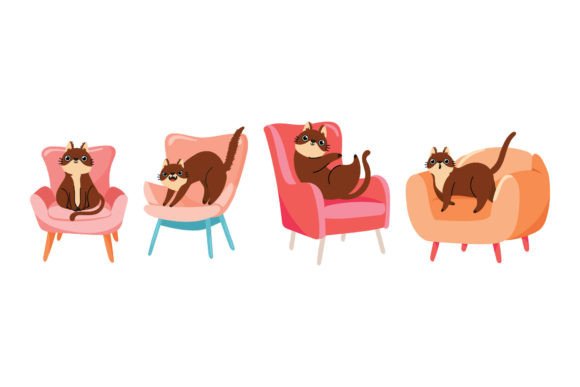
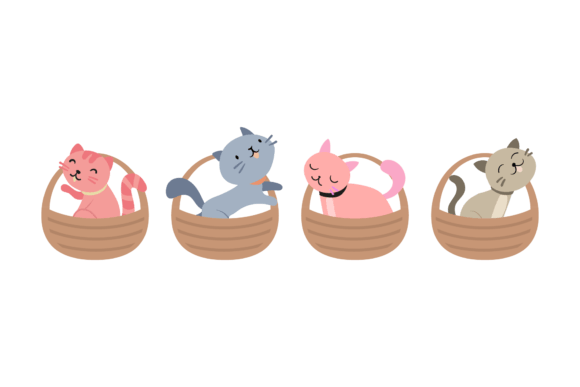
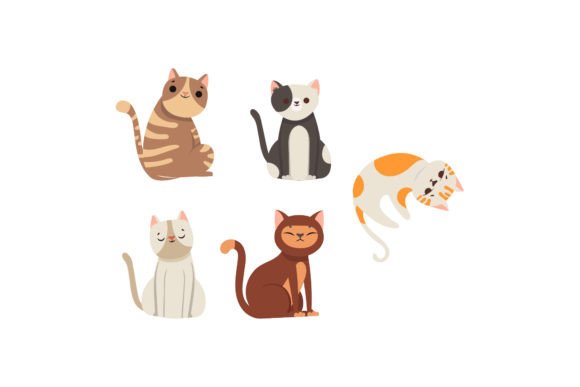
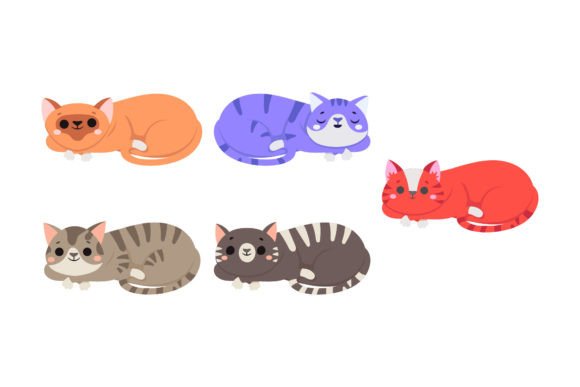
When I first opened the Lazy Cat embroidery design, I was immediately drawn to its playful yet elegant vibe. The illustration feels like a perfect balance between whimsy and simplicity—something that can easily charm both kids and adults. The cat is depicted in a relaxed, lounging pose with soft curves and expressive eyes that convey a sense of calm. It's not overly detailed, which makes it feel approachable and versatile for various embroidery applications.
The design’s layout is clean and centered, which makes it ideal for projects where the focus should be on the main subject. Whether stitched on a tote bag or a sweatshirt, the cat stands out without overwhelming the fabric. This kind of visual personality is exactly what you want in a machine embroidery design that needs to work across multiple product types.
Real-Life Scenario: Custom Tote Bag
I imagined using Lazy Cat as part of a custom embroidered tote bag for a small shop selling handmade goods. The tote would be a popular item during the holiday season, and the design needed to be eye-catching but not too busy. After placing the digital embroidery file on a mockup, I could see how the cat would look stitched onto a light-colored canvas. The contrast between the cat and the background made it pop, and the overall effect felt warm and inviting.
As an Etsy seller, I know that customers appreciate designs that are both unique and easy to recognize. Lazy Cat fits this perfectly—it has a distinct character that makes it memorable, while still being subtle enough to complement other elements on a garment or accessory.
One thing I noticed was how well the design would translate into an embroidered patch or even a personalized gift. The cat’s expression and posture suggest relaxation, which could be a great fit for items like baby clothes or nursery decor. For a handmade product, this kind of detail adds value and helps build customer trust in the quality of your work.
Performance in Real Embroidery Projects
Lazy Cat performs well in most standard embroidery situations. It looks great on custom apparel like t-shirts, sweatshirts, and caps, and it maintains clarity even when scaled up slightly for larger items like tote bags or pillow covers. The stitch density is moderate, so it won’t cause issues with fabric tension or thread breakage if you use the right stabilizer.
For commercial embroidery, the design’s simplicity is a plus—it doesn’t require overly complex stitching techniques or special thread colors. This makes it a good choice for craft business owners who need consistent results across multiple products. It also works well as a design asset for printable mockups or digital previews, especially for small shop products that rely on strong visual branding.
However, there are some scenarios where Lazy Cat might need a bit more attention. If you're working with small hoop sizes, you may need to adjust the design or simplify certain parts. Similarly, on textured fabrics or thin fabric, the design might lose some of its definition unless you use proper backing or stabilizer. Stretchy fabric could also affect the final appearance, so testing on scrap material before committing is always a smart move.
Design Notes for Embroidery Professionals
If you're considering using Lazy Cat in your embroidery project, here are a few practical tips:
- Test on scrap fabric first to see how the design behaves with your chosen thread colors and fabric type.
- Check thread color contrast—the design looks best on light backgrounds, but it can still work on darker fabrics if the right threads are used.
- Review stitch density to ensure it won’t cause puckering or damage to delicate materials.
- Confirm hoop size before starting, especially if you're working with large or intricate designs.
- Inspect small details like the cat’s eyes and ears to make sure they remain clear after stitching.
- Test in black and white mockups to see how the design will look under different lighting conditions.
- Compare light and dark fabric backgrounds to determine the best placement and color choices.
- Use proper stabilizer to prevent shifting or distortion, especially on stretchy or thin materials.
- Check licensing before selling any finished items or digital products based on this design.
Lazy Cat is a solid choice for a wide range of embroidery projects, from sweatshirt embroidery to holiday embroidery. Its versatility, charm, and clarity make it a valuable addition to any embroidery designer's toolkit. Just remember to consider the fabric and technique carefully, and you’ll be able to create beautiful, professional-looking finished products that customers will love.